Shaped to your teeth
Digital scans help create an appliance specifically for your mouth.
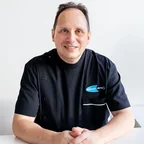
Dr Joseph Paino · Melbourne
Find out whether a mandibular advancement splint (MAS) could suit you, with individual assessment and ongoing care at Enhance Dental.

Understanding your sleep
Snoring can happen on its own. It can also be a sign of obstructive sleep apnoea (OSA), when the upper airway repeatedly narrows or closes during sleep.
If these signs sound familiar, an assessment is a sensible next step. Symptoms alone cannot diagnose sleep apnoea.
Especially when someone notices pauses in your breathing.
Gasping, choking or waking without feeling rested.
Morning headaches, tiredness or trouble concentrating.
Concerned about your sleep? Speak with your GP or ask us about assessment. If you feel sleepy while driving, stop driving and seek medical advice.
Custom mandibular advancement splints
A MAS fits over your teeth and holds your lower jaw forward during sleep. This can help keep your upper airway open. You may also hear it called a mandibular advancement device, or MAD.
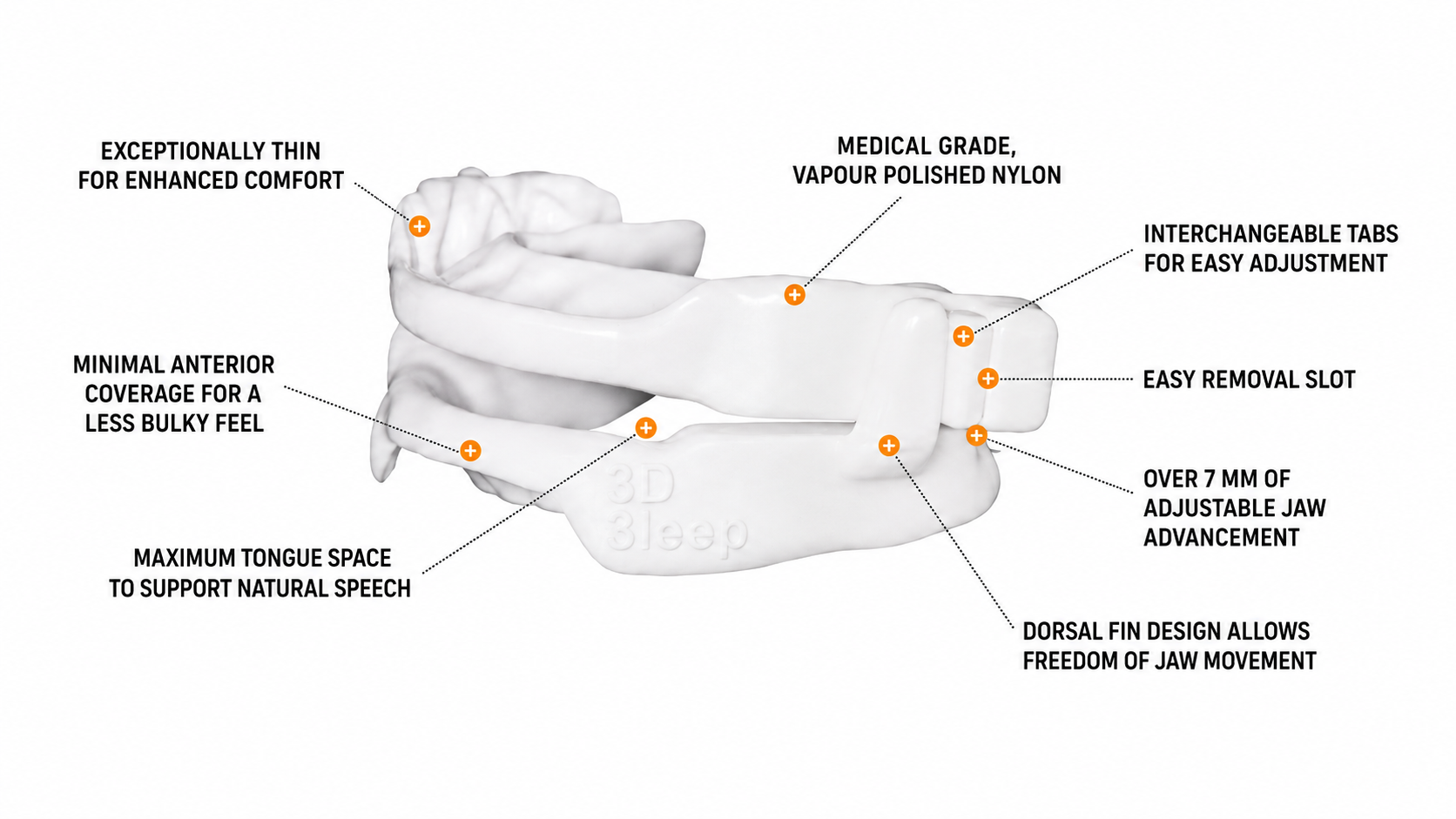
Digital scans help create an appliance specifically for your mouth.
The jaw position is adjusted gradually, with attention to comfort and response.
A compact option for suitable patients, at home or when travelling.
During sleep, soft tissues can narrow the airway. Holding the lower jaw forward can help maintain space behind the tongue. Follow-up sleep testing checks how well the appliance is working.
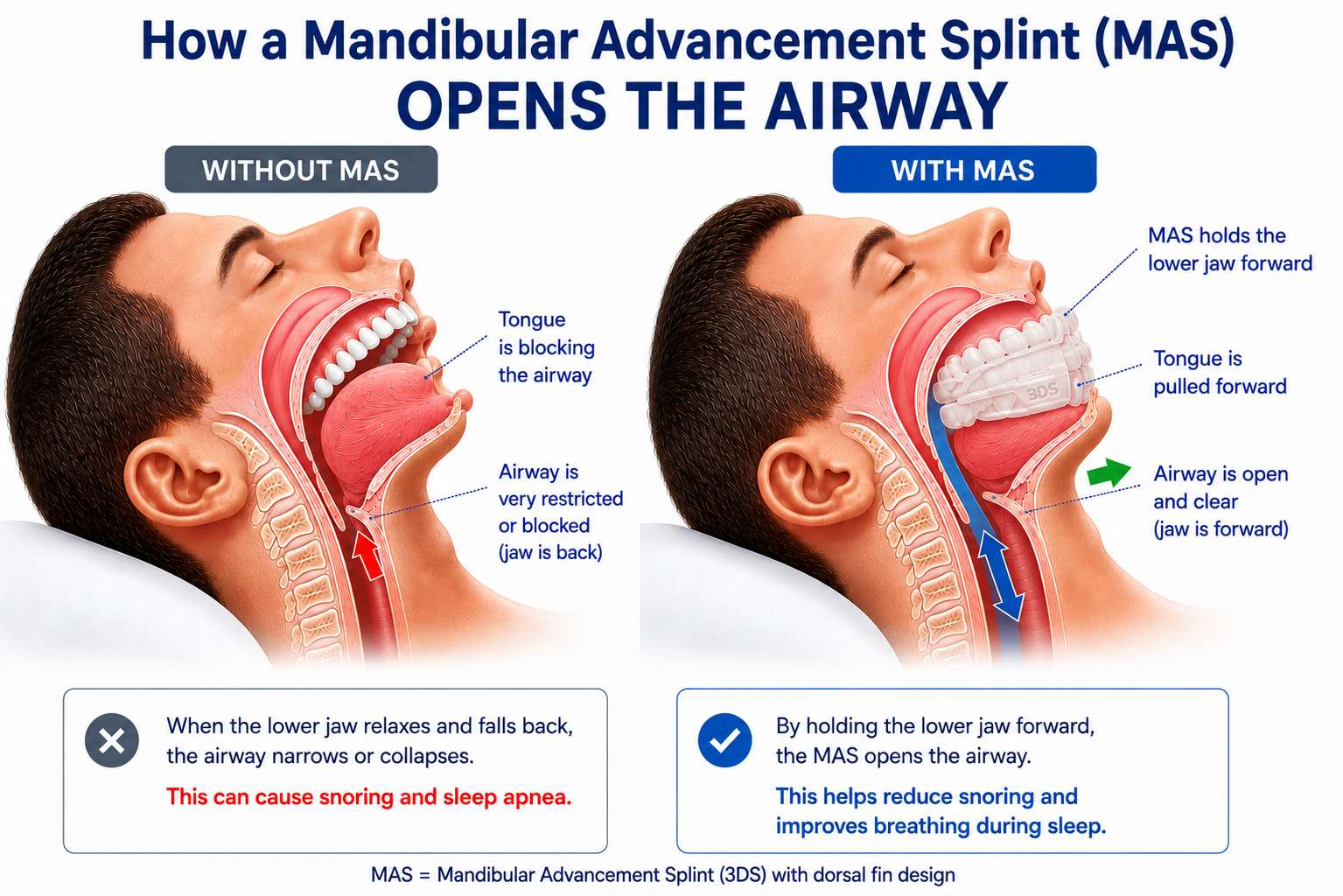
This short animation shows how moving the lower jaw forward can create more space behind the tongue. Your custom appliance holds the jaw forward during sleep.
The video loads from Vimeo when you select it. Vimeo may then use cookies.
Is it right for me?
Oral appliances may suit adults with primary snoring after OSA is excluded, or selected people with OSA, including those who cannot tolerate CPAP or prefer an alternative.
CPAP usually controls breathing events more effectively, particularly in more severe OSA. Your sleep physician’s advice, sleep study and dental health guide the choice. Keep using prescribed treatment until your clinician advises a change.
Explore suitability questions ↓Compare your options
A custom oral appliance can offer a compact, mask-free option for suitable patients. See how the practical benefits and everyday experience compare.
| What matters to you | Oral applianceCustom mandibular advancement splint | CPAPPressurised air through a mask |
|---|---|---|
| Mask & tubing | Keep your face free. Worn inside your mouth, with no external mask or tubing. | A choice of interfaces. Nasal pillows, nasal masks or full-face masks connect to the machine through tubing. |
| Travel & power | Small case. No power supply. Easy to pack, with no electricity or batteries needed. | Travel options are available. Requires a machine, mask, tubing and mains power or a compatible battery. |
| Night-time sound | No motor noise. The appliance works without a powered pump. | Modern machines are generally quiet. Airflow or mask leaks can still create sound. |
| Fit & comfort | Made for your mouth. Custom fitted and gradually adjusted, with time to get used to wearing it. | A setup tailored to you. Mask choice, pressure settings and humidification can help improve comfort. |
| Daily care | A straightforward routine. Clean your appliance as directed and attend regular dental reviews. | Regular equipment care. Clean the mask, tubing and humidifier if used, and maintain filters as instructed. |
| Treatment effectiveness | An option for suitable patients. Can reduce snoring and obstructive sleep apnoea. Follow-up sleep testing checks your response. | Strong control of breathing events. Generally more effective at controlling OSA, especially when it is severe. |
| Things to consider | Jaw or tooth discomfort and bite changes can occur. Ongoing dental reviews are important. | Mask discomfort, leaks or dryness may occur. Adjusting the fit and settings can often help. |
Your sleep study, dental health and ability to use treatment consistently guide the choice. Dr Paino works with your sleep physician to assess suitability. Continue prescribed CPAP until your treating clinician advises a change.
Discuss your options at a consultation ↓Further reading: AADSM: oral appliance therapy · Cleveland Clinic: benefits and suitability · Mayo Clinic: using CPAP
Your first consultation
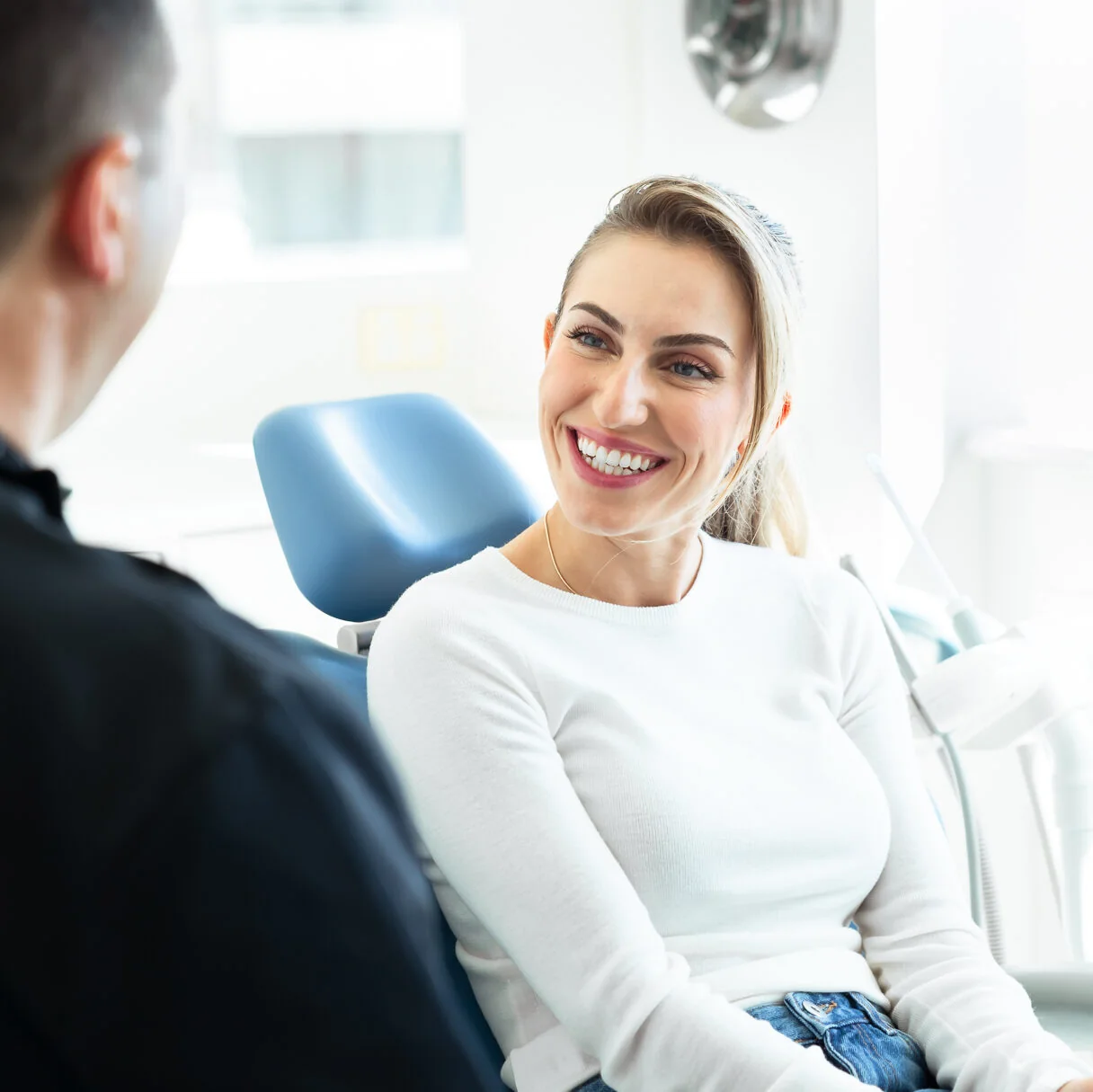
Your first visit is a chance to discuss your snoring, sleep symptoms and any difficulties with your current treatment. Dr Paino will review your sleep history and assess your teeth, gums and jaw to see whether a custom oral appliance may be suitable.
Bring any previous sleep study, your medication list and any retainers or nightguard you use. If you haven’t had a sleep study, we can arrange a home sleep test where appropriate.
You will have the opportunity to ask about the appliance, follow-up care and likely costs before deciding how to proceed.
Arrange a consultationFor suitable patients, Enhance Dental provides a WatchPAT 400 home sleep test, so you can complete your assessment overnight in your own bed.
The test fee includes the device loan and sleep physician review and reporting. Results are usually available within a few days after a successful test has been submitted for review.
Dr Joseph Paino will discuss the findings with you and explain the next steps, including whether a custom dental appliance may be suitable.
We discuss your sleep symptoms, health and previous treatment, then check your teeth, gums and jaw to see whether a custom oral appliance may suit you.
Need a sleep study? We can provide a WatchPAT 400 home sleep test, with sleep physician review and a detailed report included in the test fee.
If suitable, digital scans and bite records guide your custom appliance. We check its fit, make adjustments and explain how to wear and care for it.
We check your comfort, bite and progress, adjusting the appliance where needed. Reviews and follow-up sleep testing help assess your response and guide ongoing care.
Living with your appliance
Compact in your hand. Made for your mouth. Your white nylon MAS is individually made to fit your teeth and can be stored in a small case at home or when travelling.
A new appliance can feel unfamiliar at first. Your fitting visit and follow-up reviews help you build a routine and identify any adjustments you may need.

Wear the appliance as instructed. Adjust the jaw position only according to the plan you have been given.
Clean your appliance as directed and follow any prescribed bite exercises or repositioner routine.
Tell us about ongoing soreness or bite changes. Reviews and follow-up sleep testing check comfort, dental health and treatment response.
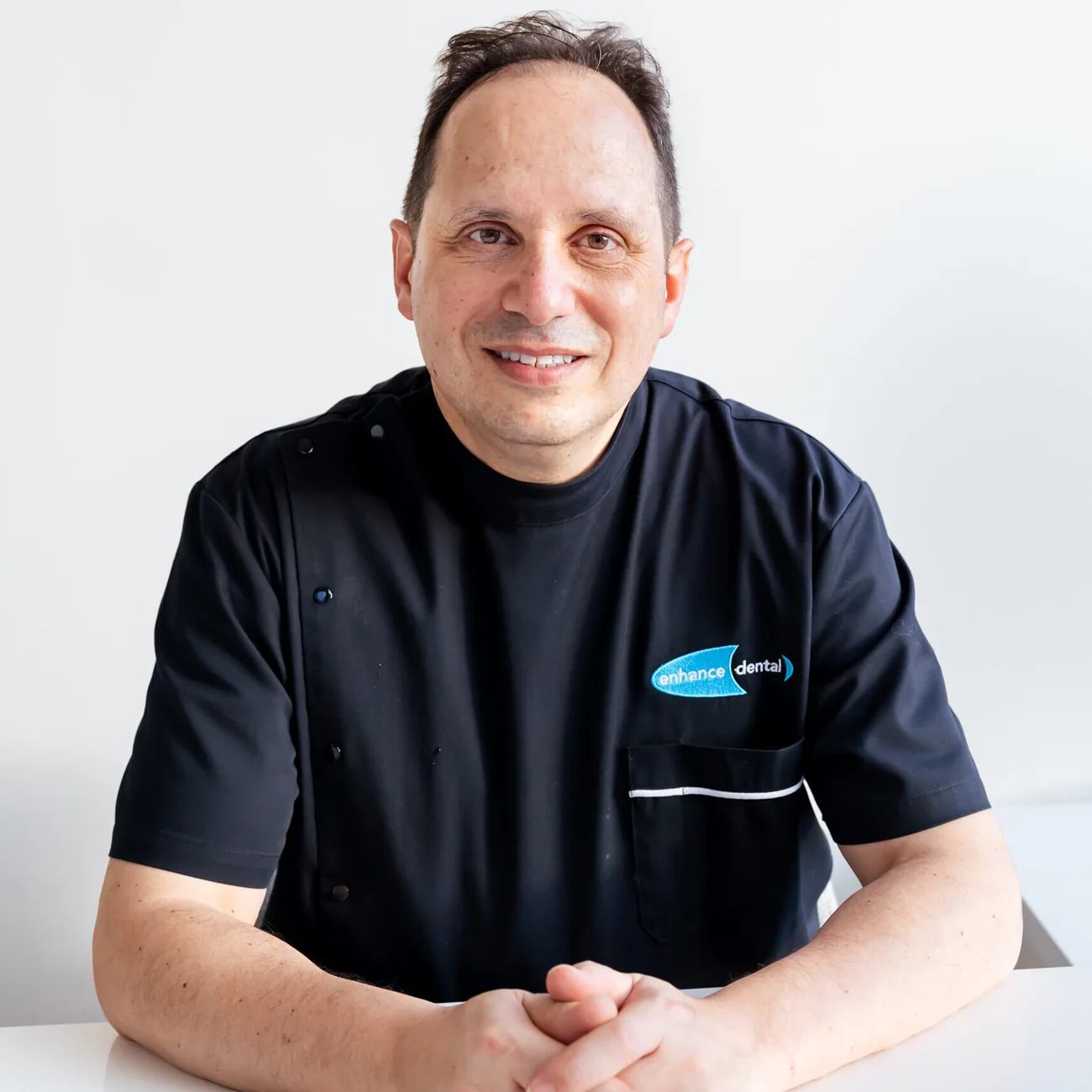
Meet your dentist
B.D.Sc. (Melbourne)
Principal dentist & owner, Enhance Dental
Joseph graduated from the University of Melbourne in 1988 and established Enhance Dental in 1995. He brings more than 38 years of clinical dental experience to his Melbourne practice.
His further training includes oral appliance therapy for snoring, sleep apnoea and bruxism. His approach is unhurried: time to listen, explain your options and consider your dental health alongside your sleep.
Talk to our team about an appointment ↓Your questions, answered
Find the information you need, or talk to our team about your own situation.
You can book an initial dental consultation without a referral. If you have already had a sleep study, bring the report. Suspected OSA needs medical assessment and sleep testing; the team can discuss an appropriate pathway with you.
If you haven’t had a sleep study, we can assess whether a WatchPAT 400 home sleep test is appropriate for you. The device is loaned to you for overnight use at home, with instructions from our team.
The test fee includes the device loan and sleep physician review and an in-depth analysis report. Results are usually available within a few days after a successful recording has been submitted for review. Timing may vary if repeat testing or further assessment is needed.
The sleep physician provides the medical interpretation and recommendations. Dr Joseph Paino considers these alongside your dental assessment when discussing treatment options.
Already have a sleep report? Bring it along—another test may not be necessary.
Yes. Bring your sleep study report and any recommendations from your sleep physician to your consultation. Dr Paino will review these alongside your dental assessment. Another test may not be necessary, although updated testing may be recommended if your symptoms or health have changed.
For some people, yes. A custom mandibular advancement splint may be an option if CPAP is difficult to tolerate, or if an alternative is being considered with your sleep physician. Suitability depends on your sleep study and dental assessment.
Continue prescribed CPAP until your treating clinicians advise a change. Any transition is coordinated with your sleep physician, with follow-up testing to check treatment effectiveness.
No. Your diagnosis, airway, teeth, gums and jaw health affect suitability and response. A mandibular advancement device does not treat central sleep apnoea. Follow-up sleep testing is important because quieter snoring alone does not confirm that OSA is controlled.
Often, yes. Existing dental work does not automatically rule out treatment. Dr Paino will assess your teeth, restorations, gums and available support to determine whether an appliance can fit securely. If you wear dentures, suitability depends on your individual circumstances and the appliance design.
Bring your retainers to your appointment. Dr Paino will consider both your sleep treatment and the need to maintain your tooth alignment. Your appliance and retainer routine need to be planned together, with input from your orthodontist where appropriate. A sleep appliance should not automatically be considered a replacement for your prescribed retainers.
No. A standard grinding splint does not position your jaw to treat OSA. Tell Dr Paino if you use a nightguard, orthodontic retainer or other dental appliance so they can be considered in your treatment plan.
Mouth breathing does not necessarily prevent you from using an oral appliance. Your breathing pattern, nasal symptoms and appliance design will be considered during assessment. If you regularly have a blocked nose, let Dr Paino know, as this may also need attention from your GP or an ENT specialist.
Manufacturing usually takes around two weeks after your digital scans and bite records are completed. We will confirm the expected timing and arrange a fitting appointment. Further adjustments and reviews help establish a suitable jaw position once you begin wearing it.
It may feel unfamiliar at first, and the adjustment period varies. Dr Paino will explain how to build your routine and adjust the appliance as prescribed. Contact the practice if soreness persists or your bite feels different.
Possible effects include sore teeth or jaw muscles, dry mouth, extra saliva and changes in how your teeth meet. Tooth movement and lasting bite changes can occur. Regular reviews matter, and persistent discomfort should be assessed.
A morning repositioner is a small device used after removing your sleep appliance to help guide your teeth back towards their usual bite. Dr Paino will explain how to use it as part of your morning routine. It does not guarantee that long-term bite changes will be prevented, so regular dental reviews remain important.
Clean it each morning using a soft brush and the recommended appliance cleaner. Avoid toothpaste, which the manufacturer advises against. Follow the supplied instructions for periodic soaking, and store the appliance dry in a ventilated case away from heat. We will explain the cleaning routine when your appliance is fitted.
The manufacturer indicates an average lifespan of around five years, although this varies with wear, care and changes to your teeth or dental work. The 3D Sleep appliances we provide carry a three-year manufacturer warranty, subject to its terms. Regular reviews help identify when adjustment, repair or replacement is needed.
Contact the practice for current consultation and appliance fees. Ask for a written treatment plan explaining the device, fitting, reviews and any separate sleep-testing costs. Private health rebates depend on your policy; confirm cover and limits with your insurer before proceeding.
A rebate may be available under your extras cover, depending on your fund, policy and remaining limits. We can provide the relevant dental item numbers so you can check your entitlements before proceeding. Ask your insurer about any waiting periods and the amount you would need to pay yourself.
Let’s talk about your sleep
Arrange a snoring and sleep apnoea consultation with Dr Joseph Paino. Tell our team whether you have had a sleep study or currently use CPAP.
Please bring a current medication list and any sleep reports you already have. Haven’t had a sleep study? We can arrange a home sleep test where appropriate.

Office hours; clinical appointment times may vary.
Coming by car?
Designated patient parking is available on Queens Lane, behind the building. Look for the Enhance Dental spaces.